

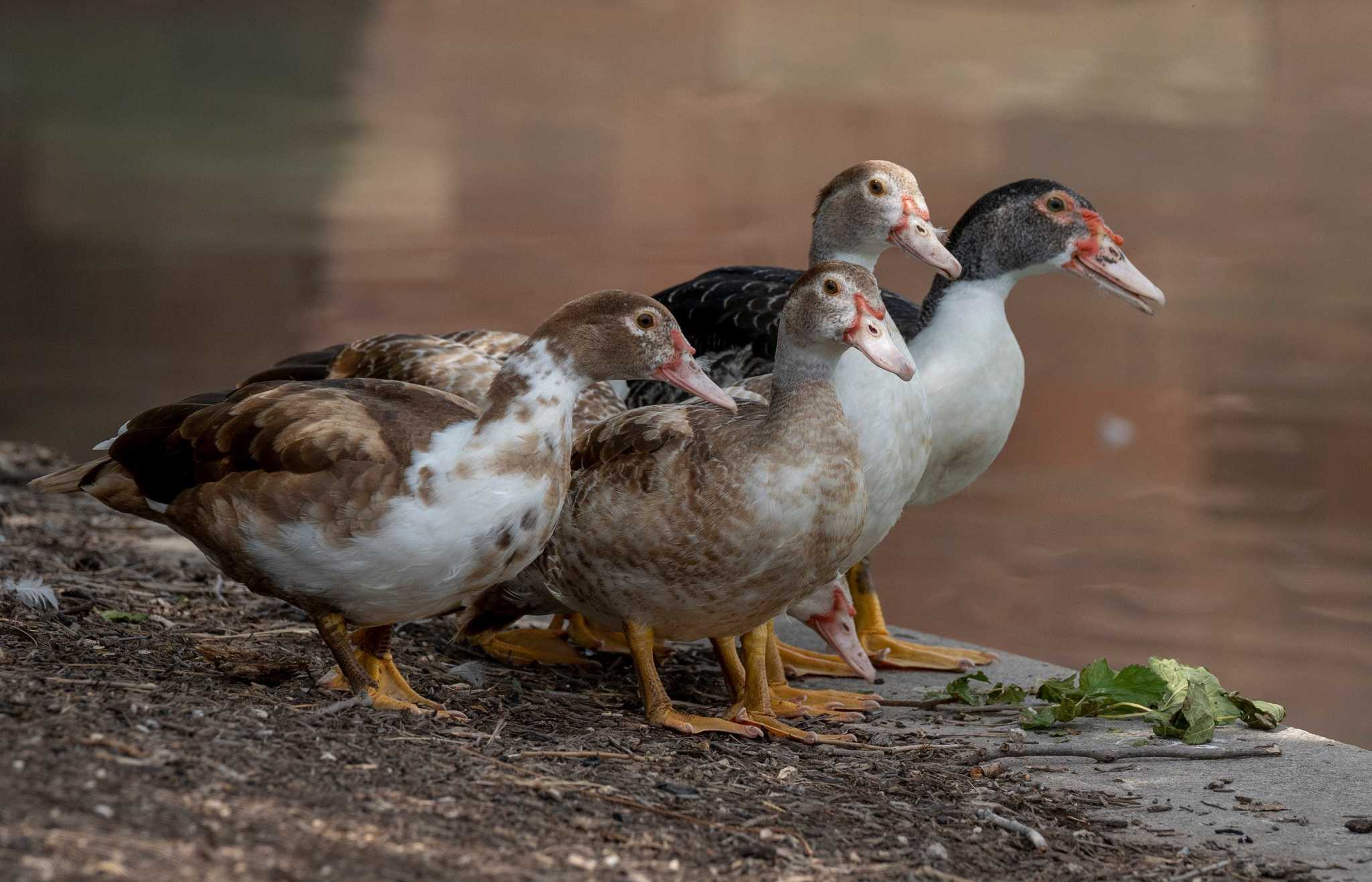
The Texas Parks & Wildlife Department issued a wildlife health alert as avian influenza, or bird flu, continues spreading among wild birds in parts of the Panhandle. Last week, the agency cautioned about the "highly pathogenic" disease, citing circulation in wild bird populations in Amarillo and Lubbock.
The transmission risk of avian influenza from infected birds to people remains low. However, the department said the public should "take basic protective measures if contact with wild animals cannot be avoided."
Notably, avian influenza (HPAI) is a zoonotic virus, meaning humans can contract it. The disease can spread directly between animals and indirectly through environmental contamination.
How to protect pets and backyard birds from avian influenza
The congregation of waterfowl, or swimming game birds such as ducks or geese, and other migratory birds around food, water sources and backyard flocks can increase the spread of the disease. The department advised members of the public to limit all unnecessary contact with wild birds.
In areas with a higher number of HPAI detections, such as Amarillo and Lubbock, the department discourages the public from feeding wildlife, including using bird feeders. The agency recommended keeping wildlife away from food and water sources.
Members of the public should not handle any sick or dead wildlife, per the department memo, and should not allow pets to interact with such wildlife either. If a pet frequents areas with wildlife, owners should ensure their pet is up to date on vaccinations.
The agency said if a person comes into contact with an animal that is showing signs of the disease — including neurological problems, coughing and sneezing or sudden death — they should contact their local department wildlife biologist. Some infected animals do not display symptoms.
Which animals are most at risk from HPAI?
There are many strains of the virus, which are grouped into two general classifications: low pathogenic (LPAI) and highly pathogenic (HPAI). LPAI typically causes only minor illnesses and occurs naturally in migratory birds. HPAI spreads rapidly and has a high death rate in birds.
Some mammal species are highly susceptible to HPAI, including domestic cats, skunks, foxes, raccoons, bobcats, mountain lions and black bears.