

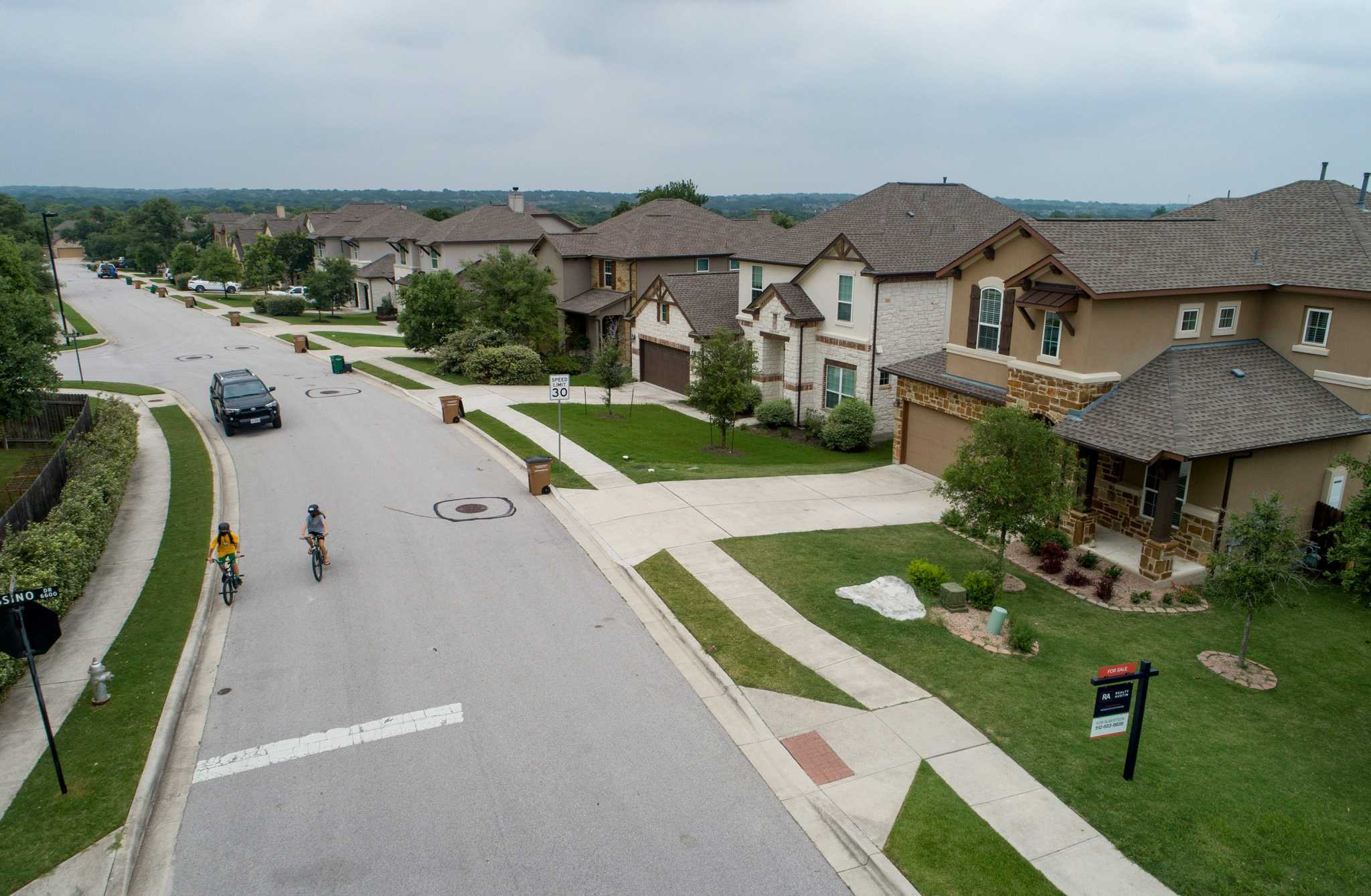
Property tax bills for people with homestead exemptions won't reflect the big increase in market values because the taxable value of an existing home with such an exemption can't go up more than 10% per year under state law.
When Travis County homeowners receive their Notice of Appraised Value each spring, many focus on the top number — the market value. But understanding all three figures on the notice can help homeowners decide whether filing a protest will actually lower their tax bill.
The notice includes a market value, net appraised value and taxable value, and each plays a different role in determining how much you pay. Some homeowners may choose to protest to lower their long-term tax burden, even if short-term savings are limited. Others may discover their biggest opportunity is applying for exemptions rather than challenging their appraisal.
Reviewing the notice closely before filing can also help homeowners gather the right evidence and set realistic expectations about the outcome. Appraisal officials say the goal is accuracy, not simply increasing values.
“We openly admit that we don’t know everything about your property,” said Cynthia Martinez, chief strategy officer for the district. “Our appraisers don’t have access to your home. They literally just drive by and see what they see. We need the property owner to help us do our job so that we can get it right.”
Understanding the difference between these figures can help homeowners decide whether a protest is worth their time. For some, correcting exemptions may bring the biggest savings, while challenging market value can help limit long-term increases. Officials also note appraisal districts do not set tax rates — local governments do — and say the process is meant to encourage communication.
Market value: The starting point
The market value is the appraisal district’s estimate of what your property would sell for as of Jan. 1. This is the number most homeowners choose to protest.
Even if your tax bill doesn’t increase significantly this year, a higher market value can lead to larger increases in future years. That’s because this number sets the baseline for future appraisals. District officials say the figure is based on sales data, neighborhood trends and field observations.
The county also divides properties into appraisal neighborhoods, which may not match how homeowners think about their communities. Those boundaries consider physical, economic, governmental and social factors, such as school districts, nearby amenities and housing characteristics.
Net appraised value: How caps protect some homeowners
The net appraised value reflects limits on how much your property value can rise each year, such as the homestead cap. In Texas, a primary residence typically cannot increase by more than 10% annually for tax purposes, even if the market value rises faster.
That means some homeowners may see large jumps in market value but only modest increases in the number used to calculate their taxes.
This is why some homeowners feel alarmed by rising values but see smaller changes in their tax bills. Still, protesting market value can matter. Lowering that number may reduce future increases once the cap resets or if a property loses homestead status.
Taxable value: What your taxes are actually based on
The taxable value is the final number after exemptions, such as homestead, senior, disability or veteran exemptions. This is the number used by cities, counties and school districts to calculate property taxes.
If exemptions are missing or incorrect, homeowners could pay significantly more than they should. In some cases, correcting exemptions can have a larger impact than protesting the market value.
Austin resident Annie Harton fills out her protest form at the Travis County Appraisal District office in Austin in 2017. Harton said it was her third time protesting her property’s appraisal. “When things get pretty bad, that’s when I have to come in,” she said.
For many Travis County homeowners, the biggest takeaway may be simple: Don’t focus on just one number. Understanding how market value, caps and exemptions work together can help homeowners decide whether to protest, apply for exemptions or both to avoid leaving money on the table.