

Health officials are warning Texans about flea-borne typhus, a once-rare disease that is making a comeback in Texas, with cases higher than in past decades.
Once considered uncommon enough that the Centers for Disease Control and Prevention stopped tracking cases in 1987, the disease is now reappearing in Central and North Texas.
Historically, typhus was a widespread threat. In the 1940s, San Antonio was a hotspot and even served as a site for experimental studies.
Dr. Gregory M. Anstead, a San Antonio-based infectious disease specialist and professor at UT Health San Antonio, told Texas Public Radio that cases have surged in recent decades.
“(In) the 1990s, there were only about 200 cases in the state of Texas. And then if you go ahead, 20 years to the 2010 to 2019, the number of cases went up 12-fold in the state of Texas,” he said.
What is typhus?
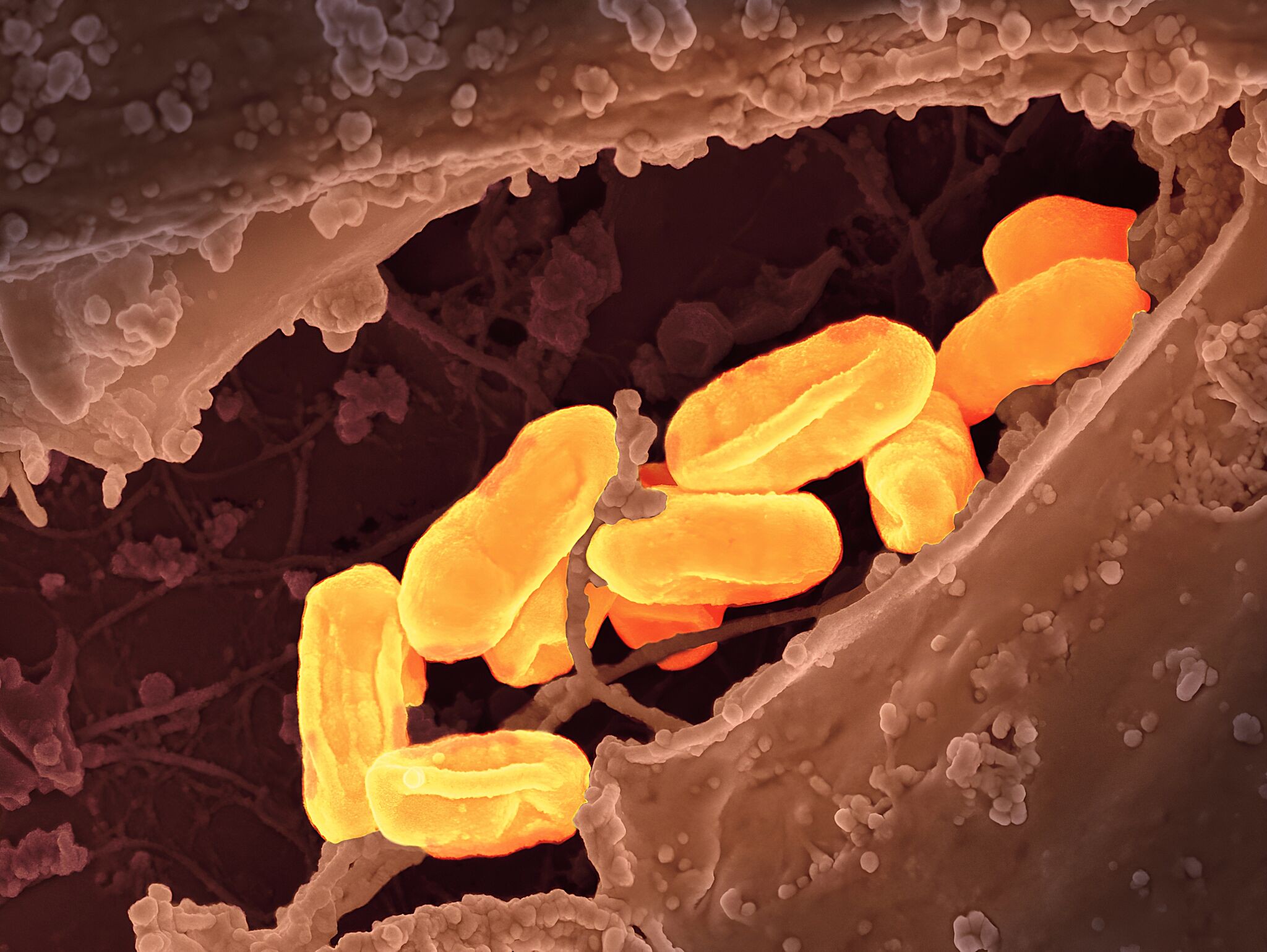
According to the CDC, flea-borne typhus — also called murine or endemic typhus — is caused by the bacterium Rickettsia typhi.
It spreads to humans through infected fleas that live on animals such as rats, opossums, cats, dogs and other small mammals. While similar to louse-borne typhus, it is typically less severe.
Symptoms often begin suddenly and may include fever, headache, chills, weakness, nausea, vomiting, muscle aches and a rash. Though usually milder, the disease can still be serious and may require hospitalization.
Are there typhus cases in Texas?
Texas reports the highest number of flea-borne typhus cases annually, according to Texas Health and Human Services.
Most cases historically occur in South Texas, from Nueces County to the Rio Grande Valley. But in the past 15 years, cases have increased sharply and spread to new areas, including in the Dallas-Fort Worth metroplex, the Greater Houston area and Bexar and Travis counties.
More than 6,700 cases were reported in Texas between 2008 and 2023. About 70% of patients were hospitalized, and 14 deaths were attributed to the disease.
Typhus is a rickettsial disease caused by Rickettsia typhi. Infected fleas carried by rats, opossums, cats, dogs, and other small mammals can spread these bacteria.
Texas Health and Human Services
How to prevent typhus
Health officials recommend the following tips to avoid flea-borne typhus:
- Keep yards clean to discourage rodents, opossums and stray animals
- Remove brush and trash, mow grass and store firewood off the ground
- Do not leave pet food outside overnight
- Prevent rodents from entering your home
- Treat for fleas before starting rodent control
- Use veterinarian-approved flea control for pets
Can typhus be treated?
Flea-borne typhus is treatable with antibiotics, according to state health officials.
Most people recover fully, and reinfection is unlikely. However, delaying treatment can lead to more severe illness and hospitalization. Anyone experiencing symptoms should seek medical care promptly.