

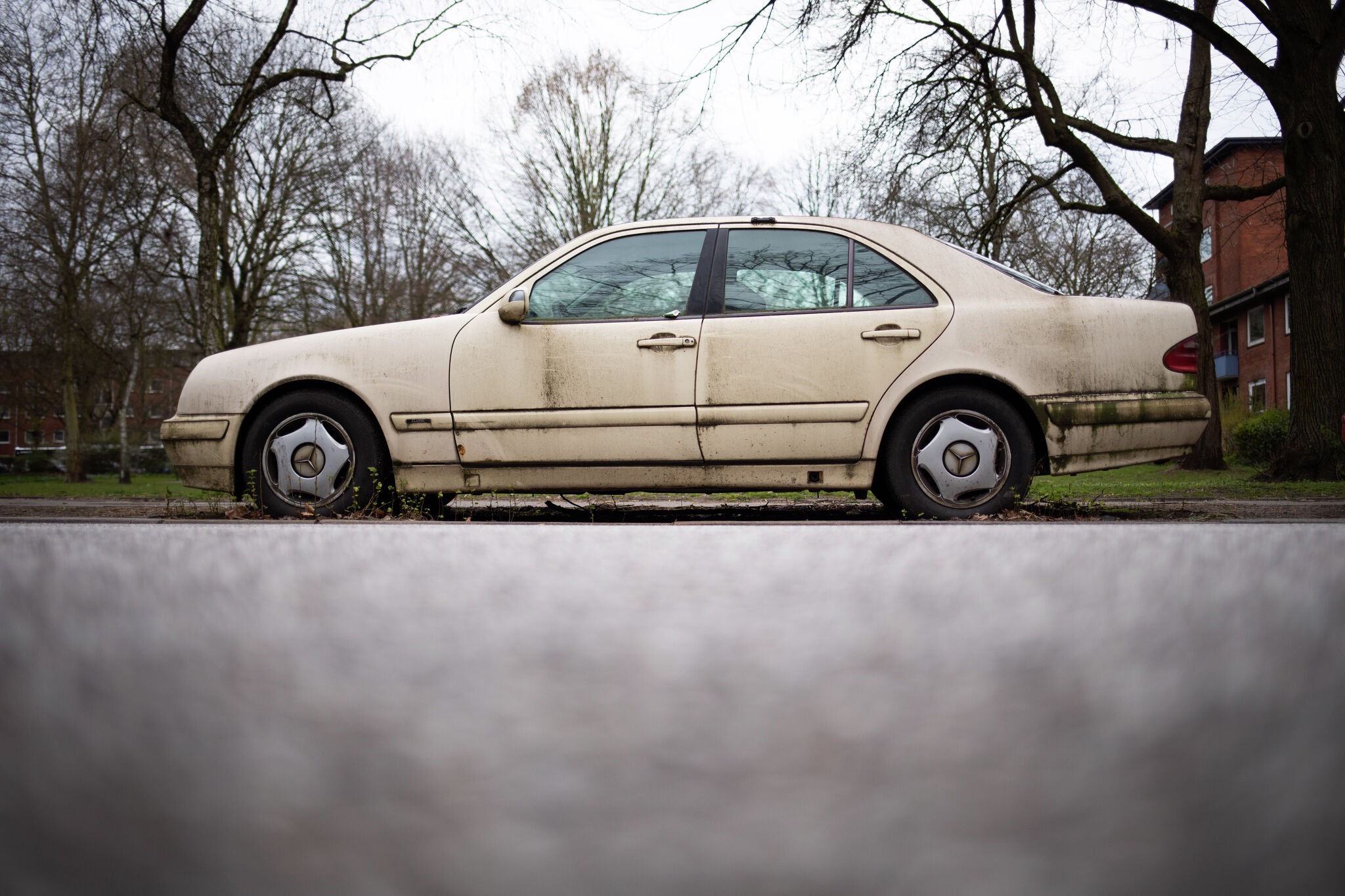
Texas has varying rules for inoperable vehicles, with state law and city ordinances determining when abandoned or junk cars can be towed from public or private property. (Photo by Christian Charisius/picture alliance via Getty Images)
If you have an old car that hasn't been driven in a long time or notice an inoperable vehicle in your neighborhood, state and local regulations may allow for its removal. According to Texas Transportation Code Section 683.002, a vehicle is considered "abandoned" if left unattended without permission in certain areas for more than 48 hours. Local law enforcement can take possession of such vehicles on public or private property, notify the registered owner, and if unclaimed, sell it at auction.
For junked vehicles on private property, most Texas cities treat them as safety risks and public nuisances. An inoperable vehicle with expired registration must be kept out of view from neighbors. Key city rules include:
- Fort Worth: Vehicles inoperable for over 20 consecutive days may be towed and destroyed after a hearing; fines up to $200.
- Austin: Vehicles inoperable for over 72 hours on public property or 30 days on private property are considered abandoned.
- San Antonio: Vehicles inoperable for 10 days are deemed junked; fines up to $200.
- Dallas: Inoperable or partially dismantled vehicles with expired tags or inspection stickers violate city code; owners and lien holders are notified by mail, and vehicles may be towed if not removed or made operable.
Homeowners Associations (HOAs) in Texas may also remove vehicles under state guidelines if they violate community Covenants, Conditions, and Restrictions (CC&Rs) and provide proper notice. They can tow from private driveways or streets with required signage or for inoperability but typically not from public, city-owned streets.