

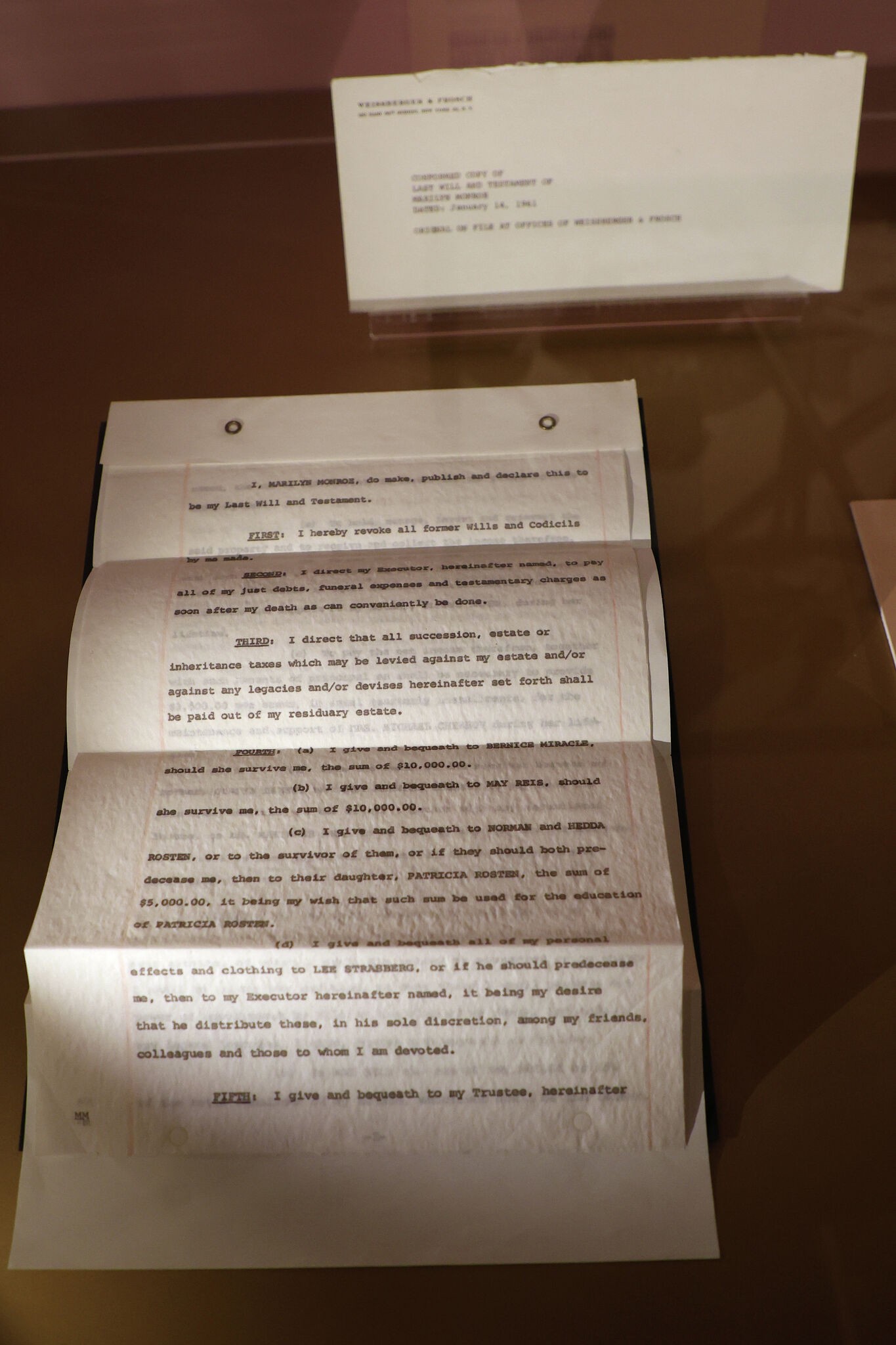
Death can be an uncomfortable subject for families and loved ones to discuss. Not having your paperwork in order and ensuring your children know what to do with your belongings can further add to the stress.
You need a will.
Luckily in the state of Texas, there are options.
Two types of wills are allowable in Texas: formal and holographic. A formal will requires that at least two people over the age of 14 witness the signing of the document.
An attorney should draft your formal will. Holographic (handwritten) wills are common because you don’t have to get them signed by a witness and you can draft one yourself without an attorney.
If you're going to write a holographic will, here's what you need to know.
How do you make a valid holographic will in Texas?
If you're planning to write a will yourself without a witness, there are steps you need to follow.
According to Texas Law Help.org, here are steps to help ensure your will is written correctly.
- At the top of the page, write the title of the document. This helps show that you intended to write a will. For example: “The Last Will and Testament of [Insert first and last name]”
- Write who you want to receive your property.
- Write who you want to serve as the “independent executor.” This means who you want to manage your estate.
- Write that you want your independent executor to “serve without bond,” (To “serve without bond” means that your “independent executor” will not have to give money to the court for a bond.)
- Put the date that you write the will.
- Sign the will.
Below is an example of a handwritten will.
What is the difference between an independent executor and a trustee?
An executor is named in a will and is responsible for handling your estate after you die. A trustee manages assets held in a trust. This role can begin during your lifetime (if it’s a living trust) or after your death.
Do I have to sign the handwritten will in front of a notary?
A witness or a notary is not required when writing a handwritten will. It's suggested that when you write a holographic will, you write it in blue ink.
If a copy is made, it will be easier to tell which is the original. Place your will in a safe place and tell your independent executor where it can be located.
Be sure to write legibly.
Can a handwritten will be challenged in court?
According to the State Bar of Texas, there are a few downsides to having a handwritten will.
A downside of writing a holographic will is that it can be disputed in ways formal wills cannot.
For example, to have a holographic will accepted in probate, a person familiar with your handwriting must testify that the document was written by you. If the will is challenged, your estate may need to hire a handwriting expert before it can be admitted to probate.
Also, while it may be easier not to have a witness to your will, this also means that there is no witness to testify as to the circumstances that surrounded your signing of the will.
So, if a jealous heir wanted to challenge your will, the Texas State Bar suggests “they could argue that you were not in your right mind or that someone had undue influence over you, and there would be no witness present to testify either way.”