

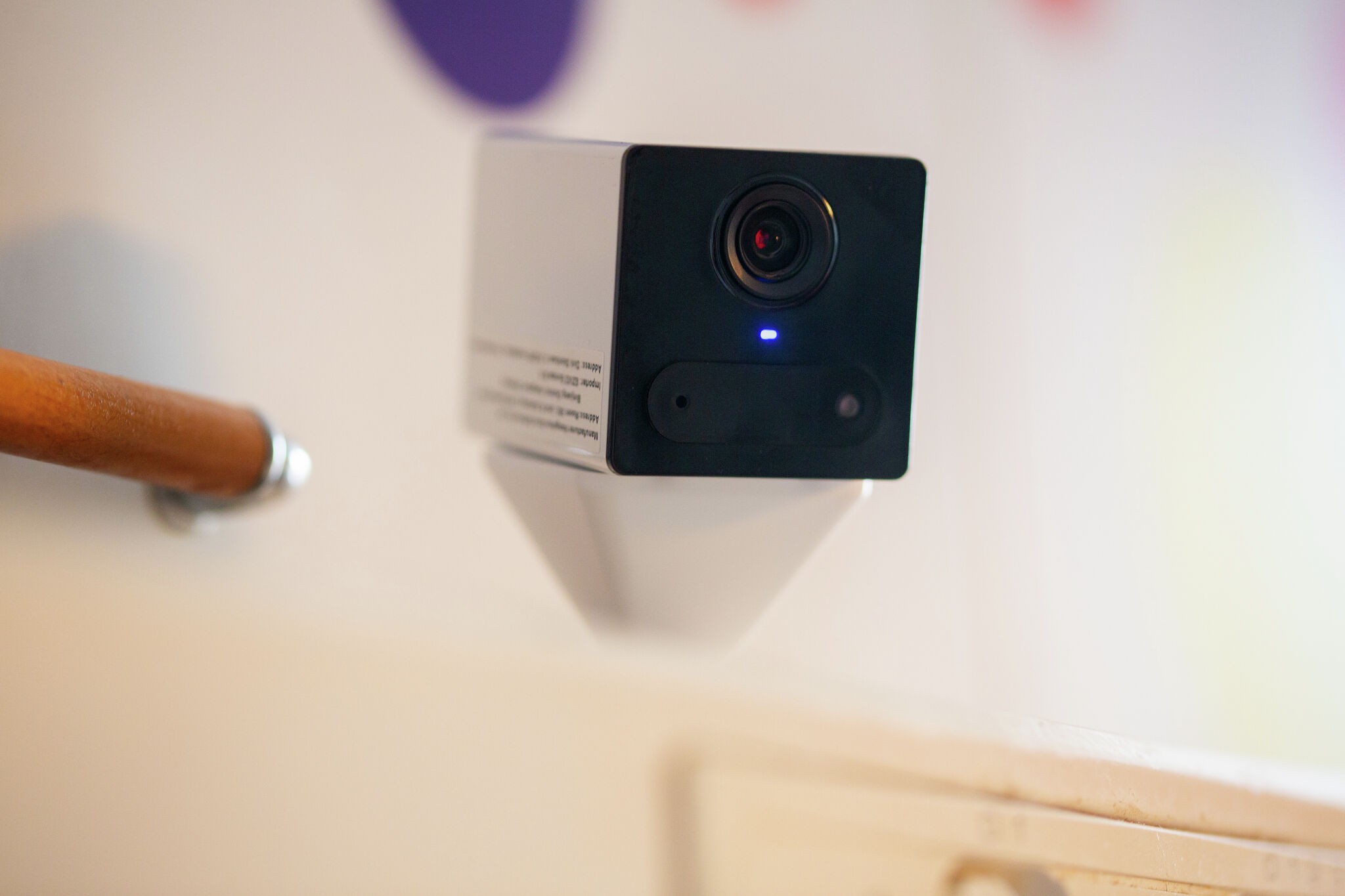
Home security cameras are legal in Texas, but there are limits on what neighbors can record and where cameras can be pointed. Texas law prohibits invasive visual recording in places where someone has a reasonable expectation of privacy. Under Texas Penal Code § 21.15, it is a crime to intentionally record another person's intimate areas without consent in private spaces where people would reasonably expect privacy while undressing. That includes places such as bathrooms, bedrooms, and changing rooms. A security camera aimed into those areas could potentially violate state law.
According to the Texas State Law Library, privacy expectations in a backyard depend largely on visibility. The more visible an area is from public view, the weaker the expectation of privacy becomes. Legal site NOLO gives this example: "The easier it is for the public to see into the space in question, the less the expectation of privacy." A camera capturing a front yard from next door is generally unlikely to create legal issues. But intentionally placing a camera to peer over a tall fence or directly into secluded spaces could raise privacy concerns. NOLO notes that fenced backyards are generally considered more private than open front yards, while the inside of a home is almost always viewed as private.
In general, recording video in public places is typically legal in Texas. That includes doorbell cameras, home security systems, and cell phone cameras. People are also generally allowed to record on their own property, as long as cameras are not installed in areas where others have heightened privacy expectations. Bathrooms, bedrooms, locker rooms and changing areas are generally considered off-limits for surveillance cameras.
Intent matters. According to NOLO, invasion of privacy claims often depend on whether someone intentionally intruded into a private space in a way a reasonable person would find offensive. For example, a camera that incidentally captures part of a neighbor's yard may not violate privacy laws, but a camera deliberately pointed into a living room window or outdoor shower is more likely to be considered an intentional invasion of privacy.