

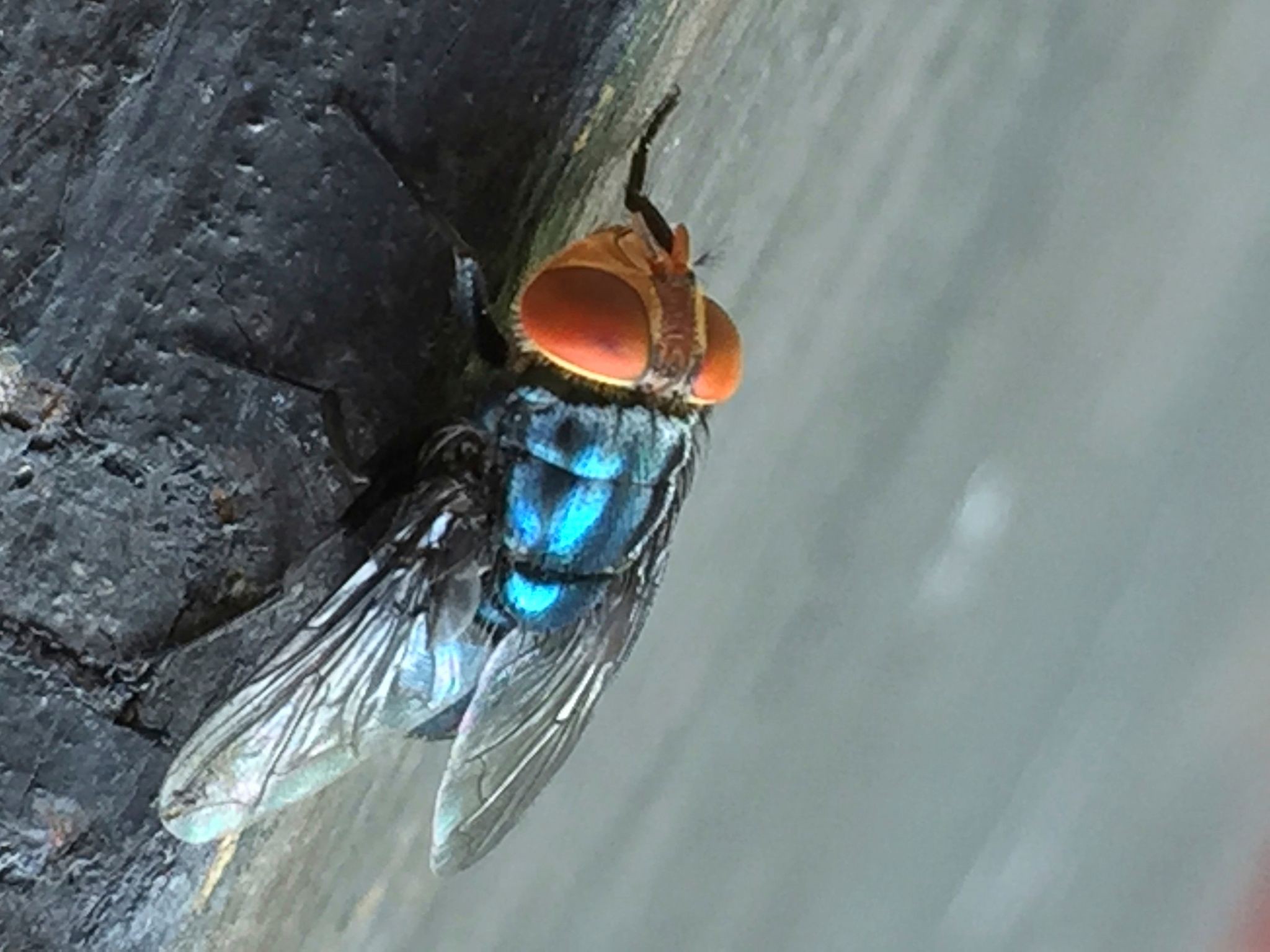
The New World screwworm has been detected in South Texas, prompting concern among ranchers and agriculture officials as the pest continues moving north through Mexico. On Wednesday, the U.S. Department of Agriculture announced that the New World screwworm was found in La Pryor in Zavala County, about 50 miles from the U.S.–Mexico border and roughly 100 miles southwest of San Antonio. The detection comes after months of warnings from state and federal agriculture officials. The USDA reported this week that a confirmed case had been found in Coahuila, Mexico, about 25 miles from the border.
The New World screwworm is a parasitic fly whose larvae feed on the living tissue of warm-blooded animals, including livestock, wildlife, pets and, in rare cases, people. In animals, infestations can cause severe wounds and can be fatal without treatment. Unlike common maggots that feed on dead flesh, screwworm larvae burrow into healthy tissue using a sharp mouth hook. While cattle are among the animals most at risk, other livestock including sheep, goats, pigs and horses can also be affected. Wildlife such as deer, pets including dogs, and birds are also susceptible.
Agricultural scientist Dr. Bain Wilson said screwworm is not transmitted through the consumption of meat. USDA inspectors examine livestock and meat products to help ensure affected animals and contaminated products do not enter the food supply. The New World screwworm outbreak could put additional pressure on beef prices if it spreads through cattle herds, though the extent of any impact remains unclear.
Pet owners should regularly check animals for open wounds. The USDA is constructing a new $750 million facility to breed sterile screwworm flies, though Agriculture Secretary Brooke Rollins said it is not expected to be completed until late 2027. In the meantime, the agency is investing $21 million to convert a fruit fly breeding center in southern Mexico into a screwworm production site. Operations are expected to begin this summer. The strategy relies on sterile male flies mating with wild females. Although females will still lay eggs, the eggs will not hatch, helping reduce the screwworm population.