

Texas' laws around hemp are constantly changing amid legislators' attempted legislative crackdowns, legal challenges and court orders.
So what exactly is illegal versus legal in the Lone Star State when it comes to THC? And are there any factors that complicate enforcement for certain products?
Are THC gummies legal in Texas?
Under a new set of regulations adopted by the Texas Department of State Health Services in late March, which effectively banned the sale of smokable hemp and extracts, edibles remain legal, for now, contingent on a product's content.
Texas permits certain edible products, such as gummies or other candies, if they contain no more than 0.3 percent delta-9 hemp-derived THC by dry weight, the distinction between hemp and marijuana. This classification can be difficult to ensure and relies on lab testing and correct labeling.
If the chemical composition of the edible exceeds the legal limit, it is illegal.
Are THC-infused drinks legal in Texas?
The same barometer essentially applies to THC-infused drinks. As outlined by the late March DSHS guidelines, these beverages remain legal, for now, contingent on a product's content.
Texas permits certain THC-infused drinks if they contain no more than 0.3 percent delta-9 hemp-derived THC by dry weight, the distinction between hemp and marijuana. Again, a product is determined to be illegal or not based on its chemical composition, which relies on lab testing and accurate labeling.
If the amount of THC exceeds the legal limit, the product is illegal.
Why can you buy THC gummies and drinks in Texas if weed is illegal?
THC gummies and THC-infused drinks remain legal if they maintain a chemical composition of under the legal 0.3 percent delta-9 hemp-derived THC by dry weight limit.
Additionally, many of the legal regulations target manufacturers and retailers, not the consumers of such products.
Is THC flower and other smokable hemp products legal in Texas?
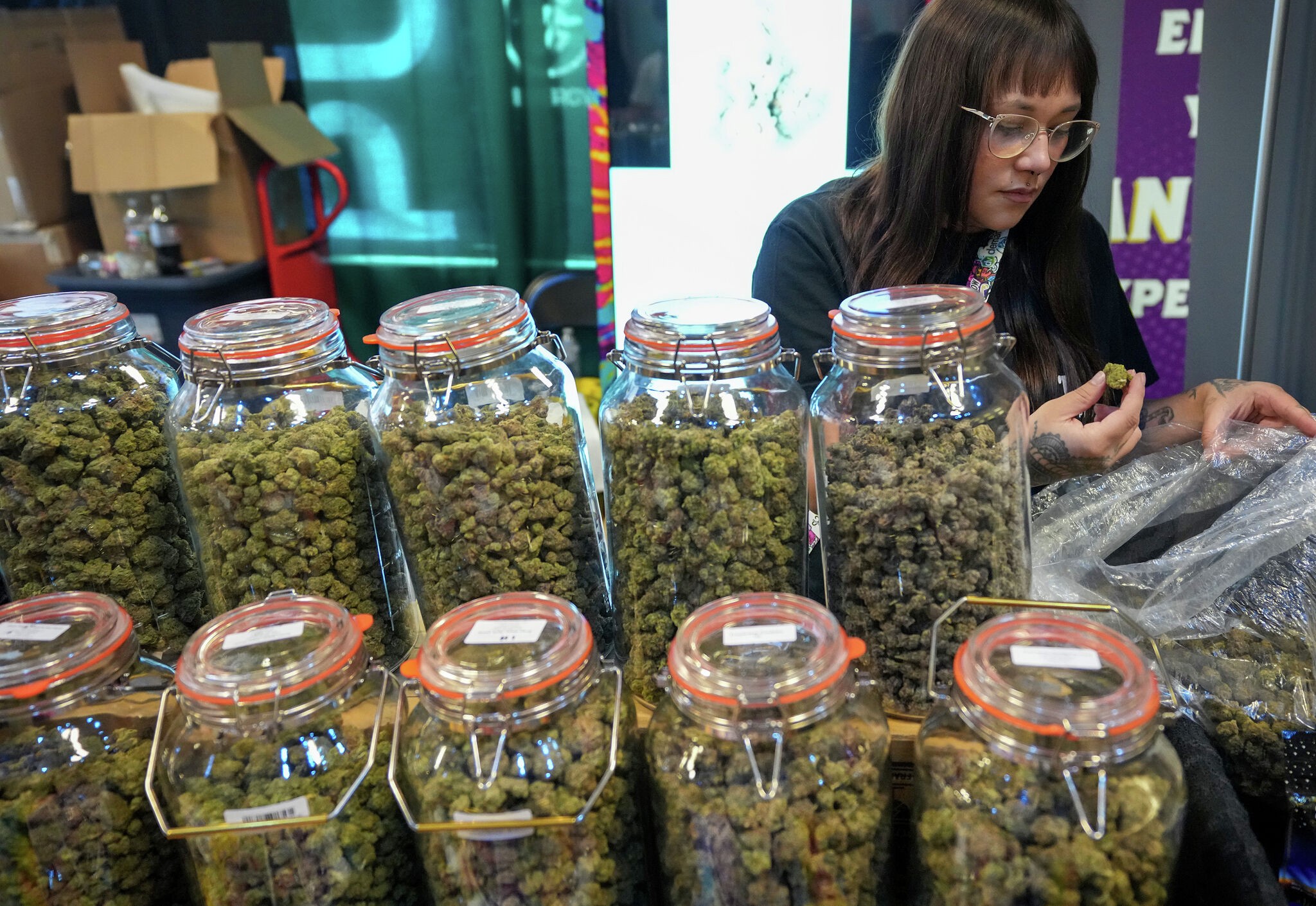
The DSHS regulations effectively banned smokable hemp products, including flower, pre-rolls, and many concentrates; however, attempts to crack down on these items proved—at least for now—to be short-lived.
The enforcement window lasted eight days, from March 31, when the guidelines first took effect, to April 8. On April 8, a Travis County judge temporarily blocked the parts of the new rules that had enforced this prohibition on smokable hemp, reopening that product lane.
Within days, companies were back to publicly telling customers that THC flower, concentrates and syringes were back and restocks were on their way.
The court order stemmed from a coalition of hemp industry groups led by the Texas Hemp Business Council, which sought a temporary restraining order. They argued that the state agency lacks the authority to make sweeping changes to the law without the Texas Legislature's approval, which approved a ban last year before Gov. Greg Abbott ultimately vetoed it.