

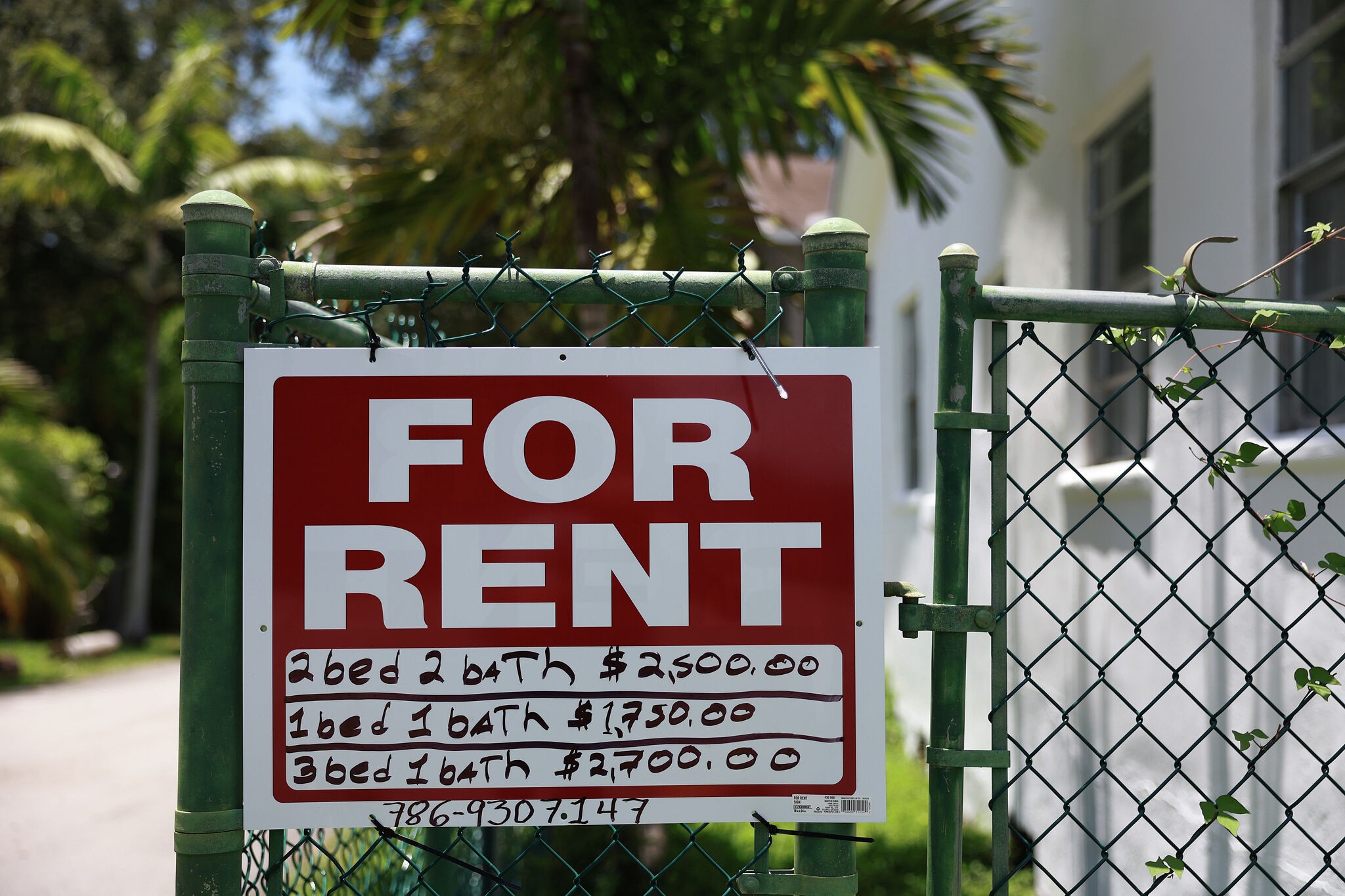
Paying rent is stressful enough, and late fees can make it even more expensive. In Texas, landlords commonly charge either a flat late fee or a percentage of the monthly rent when tenants miss a payment deadline. But are those fees legal? Here's what Texas renters should know.
When can a landlord charge a late fee?
According to Texas Tenant.org, a landlord can only legally charge a tenant late fees if:
- The lease specifically allows it.
- At least two full days have passed since rent was due.
Landlords may also decide how to apply payments. If you pay rent but not an outstanding late fee, a landlord can apply part of your payment toward the fee first.
Are rent payment fees legal in Texas?
Generally, landlords cannot charge tenants a fee simply for paying rent through a standard payment method outlined in the lease, according to the Texas State Law Library and Texas Property Code Section 92.019.
However, landlords may be allowed to charge a convenience fee if a tenant voluntarily chooses an optional payment method that costs more to process.
Is there a limit on late fees?
Yes. Under Texas Property Code Section 92.019:
- Landlords may charge up to 12% of the rent amount for properties with four or fewer dwelling units.
- Landlords may charge up to 10% of the rent amount for properties with more than four dwelling units.
Texas Tenant Advisor notes that landlords may be able to charge more if they can show their actual damages exceed those limits.
Can a landlord evict a tenant for unpaid late fees?
Yes, in some situations. If a lease requires tenants to pay late fees and states that violating lease terms can result in eviction, failure to pay those fees could become grounds for eviction. Repeatedly paying rent late may also put a tenant at risk of eviction.