

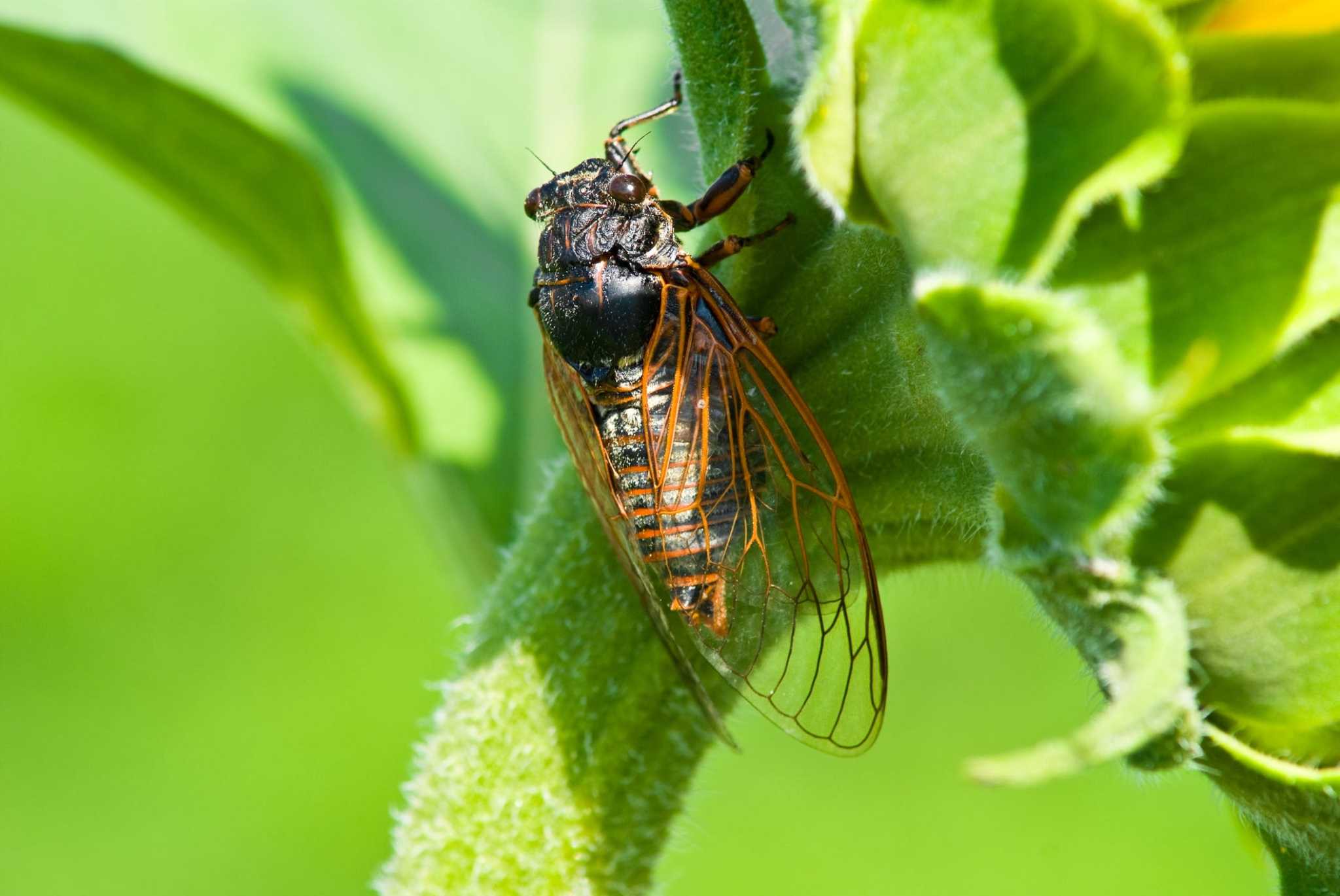
Cicadas are back across Texas. Here's why they sing, what triggers the sound and whether it can predict summer weather.
If you live in Austin — or anywhere else in Texas — you're probably familiar with the unmistakable chirping of cicadas. Love them or hate them, their buzzing soundtrack is one of summer's most recognizable sounds.
But can those noisy insects tell us anything about the weather ahead?
Not exactly.
Despite claims that cicadas can predict a cooler summer, the insects aren't forecasting the weather. But their singing is tied to temperature.
What is the noise that cicadas make?
Only male cicadas produce the loud buzzing sounds associated with the insects.
Males create their calls by rapidly buckling and unbuckling structures called tymbals — ribbed membranes located on either side of the abdomen.
Why do cicadas make that awful noise?
The sound serves primarily to attract females during mating season.
Female cicadas respond with wing flicks that can sound like a soft rustle or sharp pop, creating a back-and-forth exchange that helps the insects find mates.
Scientists also say cicada calls can help males communicate with one another and may even deter some predators, according to ScienceInsights.
Cicadas typically begin singing when temperatures reach about 72 to 75 degrees Fahrenheit, with activity peaking as temperatures climb toward 90 degrees, according to BiologyInsights. When temperatures rise into the upper 80s and low 90s, cicadas may reduce their singing or move into shaded areas to avoid heat stress.