

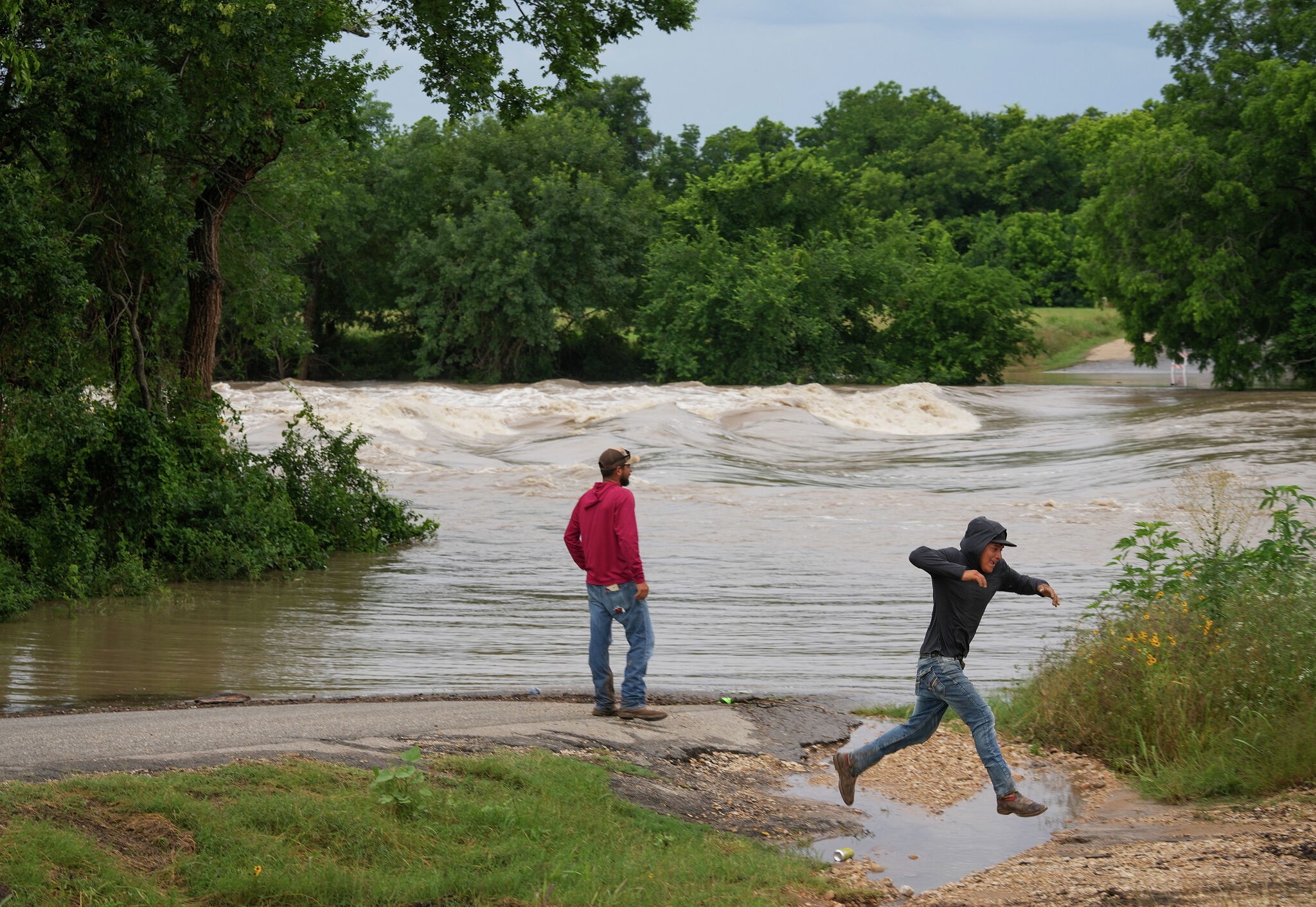
Central Texas is experiencing flooding, and residents are advised to stay home if possible. Remember: turn around, don't drown if you see water on the road. Six inches of moving water can knock a person down, and 1 foot of moving water can sweep a car away. Floodwaters have hidden dangers like sharp objects, snakes, algae, and bacteria. Even after flooding, warm standing water can harbor bacteria and amoebas. In 2023, a Travis County resident died from an amoeba after swimming in Lake LBJ. Avoid swimming in local bodies of water during or after flooding.
To clean up after floods, gather friends and neighbors, wear protective gear, be in touch with your insurance company, clean up during daylight, and ensure electricity is turned off if standing water is present. Be cautious of displaced wildlife, especially snakes and spiders. If bitten, go to a hospital with anti-venom and take a picture of the snake. Beware of stirring animal nests, as raccoons, foxes, and bats can carry rabies.
Clean cuts thoroughly and get a tetanus shot if necessary. Watch for mosquitoes, as Texas has seen cases of West Nile, dengue fever, and chikungunya. Empty standing water, wear mosquito protection with DEET, dress in light-colored long pants and sleeves, and be aware that West Nile mosquitoes are active during dusk and dawn hours.
Oscar Rosales, left, and Lazaro Garcia look at the San Gabriel River flood