

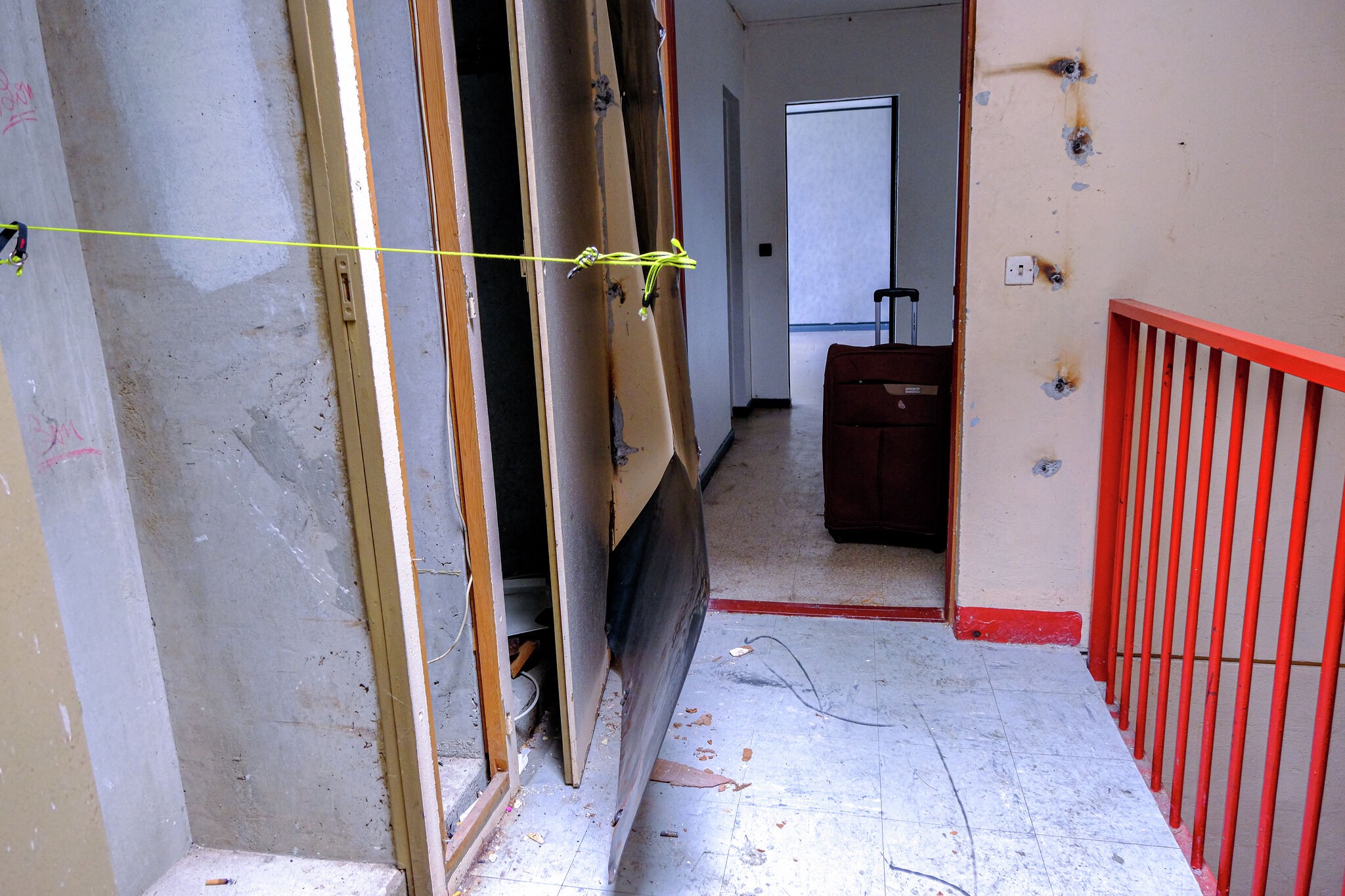
A new law that Gov. Greg Abbott signed off on last summer, which aims to remove unwanted individuals from a person's home, also known as squatters, has now taken effect.
Senate Bill 38, sponsored by Sen. Paul Bettencourt (R-Houston) and Rep. Angie Chen Button (R-Garland), was passed during the 89th Texas Legislative Session to address issues related to squatters and the eviction process.
According to the Texas Tribune, legal advocates say these new bills aim to simplify and expedite the eviction process, potentially enabling landlords to remove tenants with fewer procedural safeguards than currently required.
This change may reduce the time tenants have to respond to eviction notices or present their case in court, making it more challenging for them to protect their rights.
Bettencourt, who authored the bill, pointed to the effects of squatting practices across Texas, saying some jurisdictions are seeing hundreds or thousands of cases of illegal occupancy of residences.
"These are commonsense reforms to keep bad things [from] happening to people’s homes, and more importantly, to keep people out of property they don’t own, and they don’t have any legitimate right to through a lease," Bettencourt said during earlier Senate proceedings.
Here's what to know about SB 38.
What is a squatter?
A squatter is a person who occupies an abandoned or unoccupied property without the legal right to do so. Squatters may move into a property for a variety of reasons, such as to find shelter, to avoid paying rent or to claim ownership of the property.
In Texas, squatters can claim what is known as adverse possession, which allows someone to legally claim ownership of a property after a certain amount of time has passed.
What is adverse possession?
According to NOLO, adverse possession is a legal principle that enables a trespasser — often a neighbor but occasionally a stranger — to obtain rightful ownership of another person's land. Originating in early British legal traditions, it applies when a property owner has neglected or overlooked a piece of land while someone else has continuously occupied, maintained or utilized it for an extended period. The belief is that forcing the long-term occupant to leave could result in undue hardship or injustice.
According to CityJournal.org, a squatter must do one of following to claim adverse possession: occupy the property for three years with a color-of-title lease; live on the property with a deed in their name, pay property taxes and cultivate the land for five consecutive years; or occupy and improve the land for at least 10 years.
Other requirements also apply:
- There is no valid lease agreement.
- The squatter must live on the property.
- The squatter must not share the property with anyone else.
- The squatter cannot abandon the property for an extended period.
How does SB 38 work?
SB 38 streamlines eviction procedures by clarifying venue requirements — meaning eviction suits be filed in the precinct where the property is located — and limiting courts' ability to entertain counterclaims in eviction suits, which will help ensure cases move more quickly. It requires justice courts to hold trials within 21 days of filing and prohibits them from ruling on property title disputes or third-party issues.
Here are five things highlighted in the bill:
- Speed up eviction hearings: SB 38 requires justice courts to schedule trials within 10 to 21 days.
- Allow summary disposition for squatters: The law permits courts to issue judgments without a full hearing in clear squatting cases.
- Tighten notice requirements: Landlords must deliver eviction notices in ways that provide proper notification to the occupants, such as posting notices in visible locations or direct delivery.
- Limit court jurisdiction in eviction cases: Justice courts handling evictions under SB 38 are barred from ruling on property title disputes, counterclaims or third-party issues. Their focus is limited strictly to possession of the property, streamlining the legal process.
- Authority over eviction rules: The bill prevents courts or agencies from altering eviction procedures. Only the state legislature can change these laws. This ensures consistency across Texas, limiting local variations in how eviction cases (including squatting) are handled.