

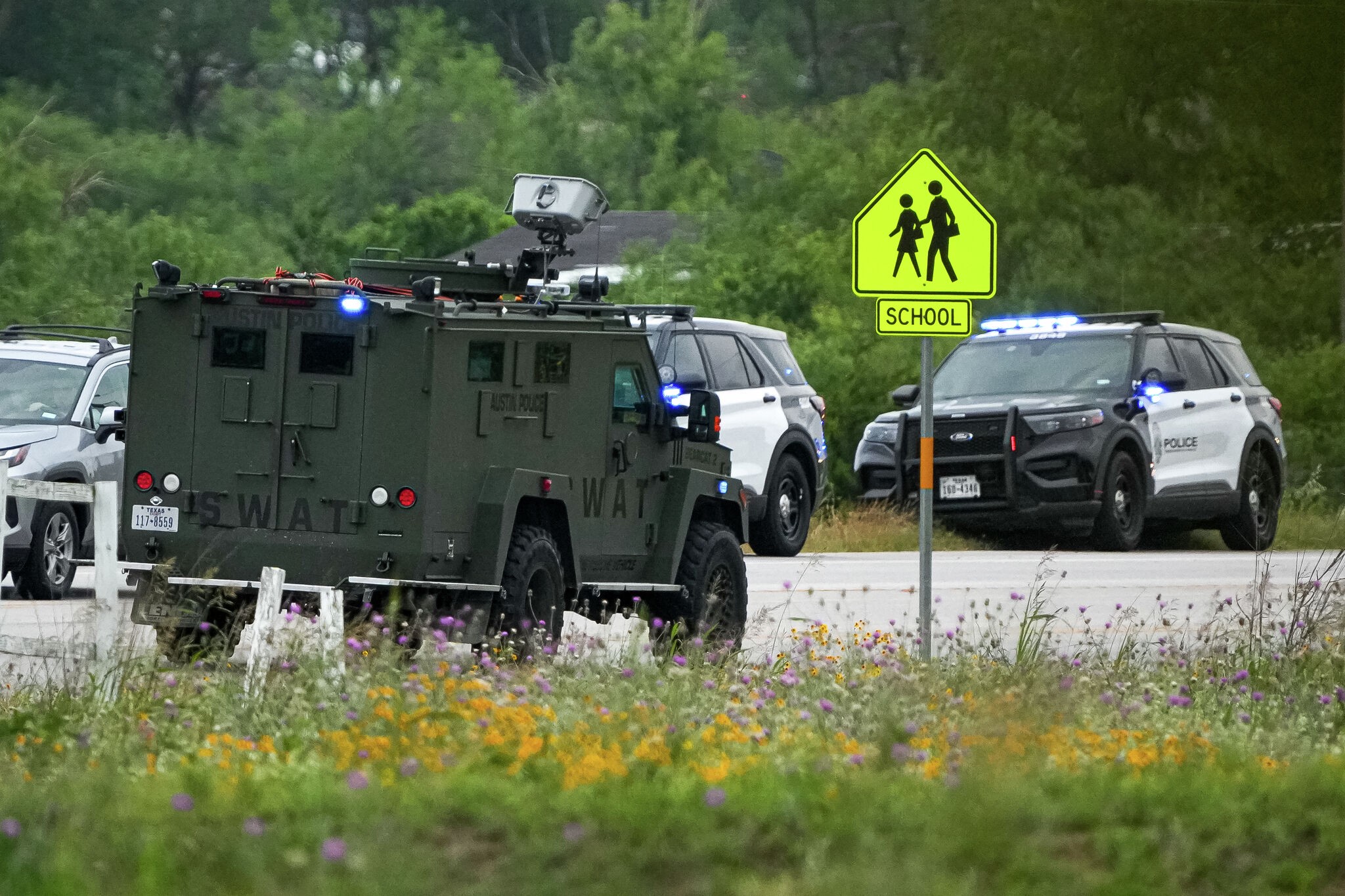
Austin police and some city officials are calling for the reinstatement of automated license plate readers after the technology may have aided Manor police in locating three teenagers suspected in a weekend shooting rampage. However, privacy advocates warn that the cameras are not worth the tradeoff, arguing that they can create a detailed record of where people travel, who they visit, and what medical, political or religious activities they may be engaged in.
Manor police, who use Flock cameras, said the technology helped during the search on Sunday. Sgt. Shaun Harr told the American-Statesman that officers searched the department's database of license plate scans captured by Flock cameras and found that one camera had captured the vehicle on the south side of Manor. Full story here
At a news conference, Austin Police Chief Davis said that cameras could have helped her officers locate the suspects before they left city limits and said she stood ready to talk about bringing them back. The shooting rampage came just four weeks after the Austin City Council adopted the TRUST Act, a new ordinance meant to regulate how the city reviews, buys and uses surveillance technology. Some city leaders say that framework could allow Austin police to revisit license plate readers with stronger safeguards than existed under the city's previous contract.
Council Member Chito Vela, who co-sponsored the TRUST Act, told the Statesman that the weekend shooting shows the city should again consider allowing Austin police to use the technology. "I sponsored the TRUST Act to ensure strong safeguards and transparency regarding any surveillance technology considered by Council," Vela said in a prepared statement. "I expect any proposal from staff to include robust safeguards that protect both our civil liberties and public safety."