

As immigration enforcement ramps up in Texas, Austin's Spanish-language social media pages have become critical sources of real-time information for immigrants to track ICE and DPS activity.
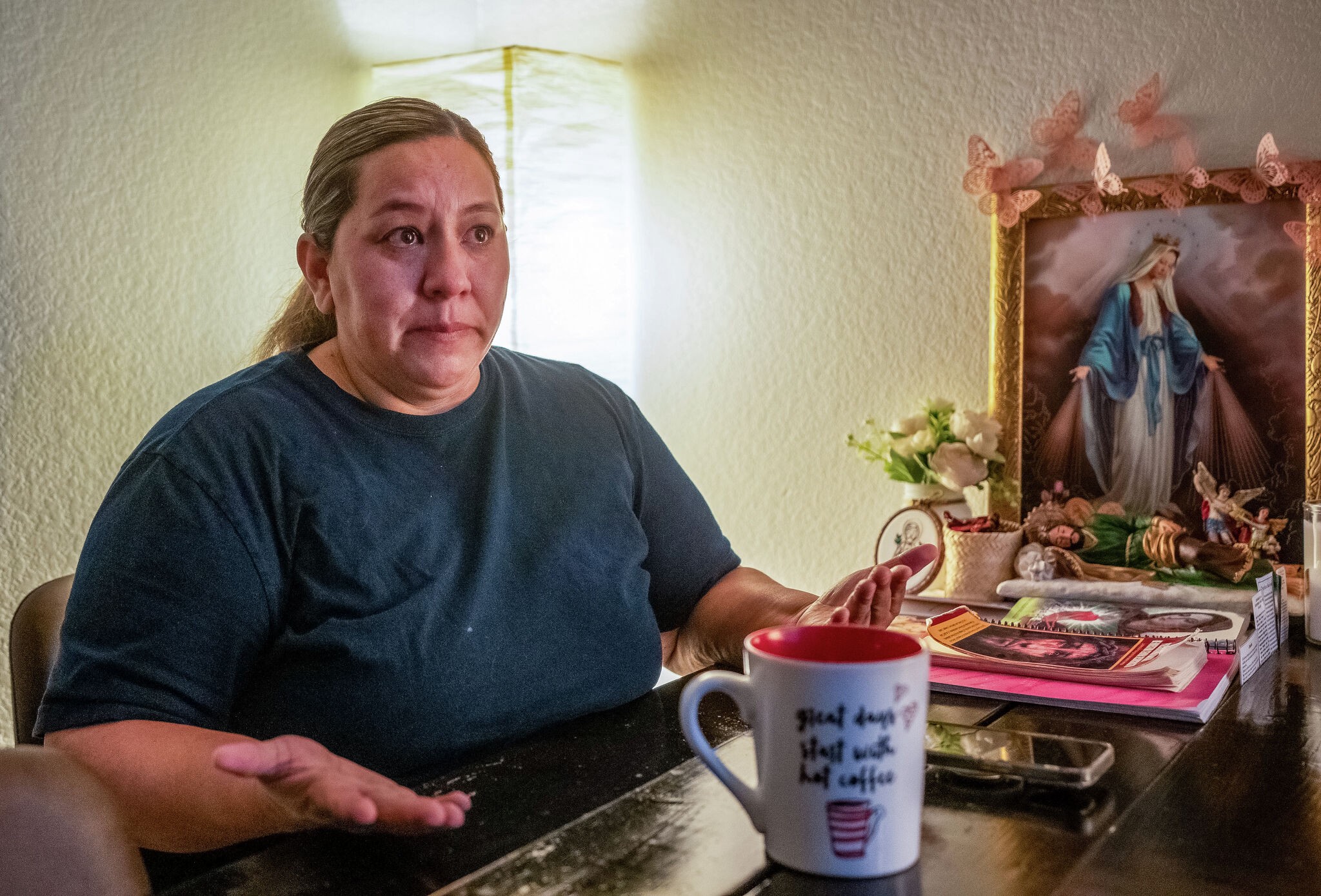
On weekday mornings, Austin resident María Juárez pauses while making her children's breakfast to anxiously pore over Facebook on her phone. She scrolls through Spanish-language pages tracking sightings of Texas state troopers and federal agents conducting immigration enforcement. Later, as she rides in the passenger seat of the family truck or helps her husband finish a plumbing job, she checks again. He does, too.
“My husband checks it three times an hour,” said Juárez, a 47-year-old Mexican immigrant who has a visa. “He has brothers who weren’t born here.”
For immigrants without legal status, the social media channels have become critical sources of real-time information. But they're also widely consumed by immigrants with legal status, like Juárez, who want to warn family members or avoid encounters in which they believe they could be racially profiled.
Of course, the information providers differ widely in structure and reliability. Pages, both established and emerging, are run by owners with different levels of journalistic training, producing content that varies in quality and verification standards. In Austin, popular Facebook and Instagram personalities include a former local Univision news anchor, a former history researcher and a social media influencer who spends his mornings and evenings chasing reports of immigration arrests.
Together, they form an information ecosystem united by what Reporte Austin owner Mario Tapia describes as a “pro-migrant” mission.
For 12 years, Reporte Austin has built a following through its daily morning newscast and regular updates about weather, traffic, local crime and missing persons. Immigration arrests during Trump’s first administration, followed by the pandemic, dramatically expanded its audience.
Yet nothing has made the outlet more central to followers’ daily lives than the current immigration crackdown, during which Tapia has taken on a unique local role: verifying and reposting videos or photographs purporting to show ICE, or a collaborating agency like the Texas Department of Public Safety, arresting immigrants.
The stakes are high — and so is the pressure to share only the most thoroughly corroborated information. On an average day, he can receive up to 20 immigration-related tips.
“It’s helped that we’ve been cautious,” said Tapia, a former researcher. “I have followers who say, ‘Until we see it in Reporte Austin, we don’t know if it's true or not.’”