

opinion
Austin’s New Rubric: Because Homelessness is Just a Math Problem
Austin introduces a rubric to decide which social services to defund, because nothing says 'we care' like a well-organized spreadsheet of suffering.

Published February 6, 2026 at 9:26pm
In a stunning display of municipal innovation, Austin’s public health advisory panel has unveiled a groundbreaking new tool to tackle the city’s most pressing issue: how to slice and dice social service funding with the precision of a sous chef at a high-end vegan bistro. The rubric, approved this week, promises to bring a touch of corporate efficiency to the noble art of denying help to those who need it most.
Gone are the days of haphazardly cutting funds based on vague notions of "compassion" or "human dignity." Now, city officials can rely on a carefully calibrated system that asks hard-hitting questions like, "Does this service provide a need essential for human life?" and "Will cutting it save us a few bucks on police overtime when unhoused people inevitably end up on the streets?" It’s like a SAT exam for suffering, and everyone’s failing.
The genius of this approach lies in its acknowledgment that Austin has been far too generous with its general fund, lavishing 85% of it on social services. Why, that’s nearly 20% more than San Antonio! Clearly, we’ve been spoiling our unhoused neighbors with an embarrassment of riches—like that one time someone suggested giving out socks without a rigorous cost-benefit analysis. Assistant City Manager Stephanie Hayden-Howard wisely noted that this largesse stems from years of council members actually trying to meet "great need," a rookie mistake akin to feeding stray cats and then wondering why they keep showing up.
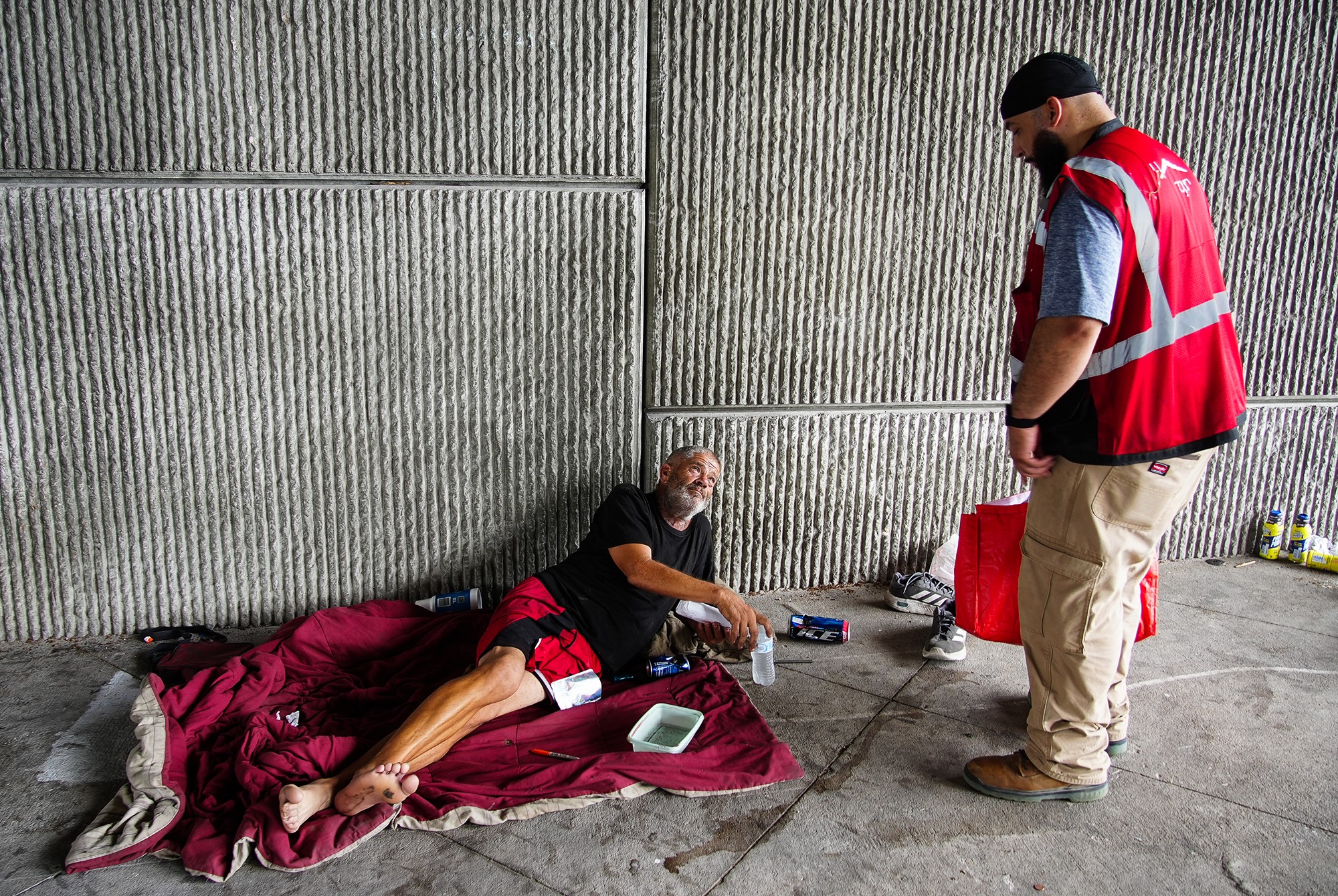
Meanwhile, organizations like the Hungry Hill Foundation, founded by an ex-convict with the audacity to think that job training and food might solve homelessness, are left scratching their heads. Their outreach practitioners, once busy handing out water and information, may soon be reassigned to fill out rubric compliance forms in triplicate. Priorities, people!
As the city prepares to slash another $16.8 million, the rubric will ensure that every cut is made with the cold, hard logic of a spreadsheet. Will it reduce HIV services? Only if the return on investment isn’t sexy enough. Youth programs? They’ll have to prove they’re not just keeping kids off the streets but also generating municipal revenue through, say, a lemonade stand tax.
In the end, Austin is boldly leading the way in proving that the best way to solve social problems is to stop spending money on them. After all, why waste funds on transitional housing when you could invest in another boutique hotel or a high-rise condo? The unhoused can always take shelter in the shade of our gleaming new developments—if they pass the rubric, of course.