

opinion
South by Sellout: How SXSW Became a Corporate Playground with a Side of Music
SXSW 2026: A seven-day corporate carnival where music takes a backseat to sponsorships, and locals are left to crash happy hours just to catch a glimpse of authenticity.

Published March 12, 2026 at 10:00am
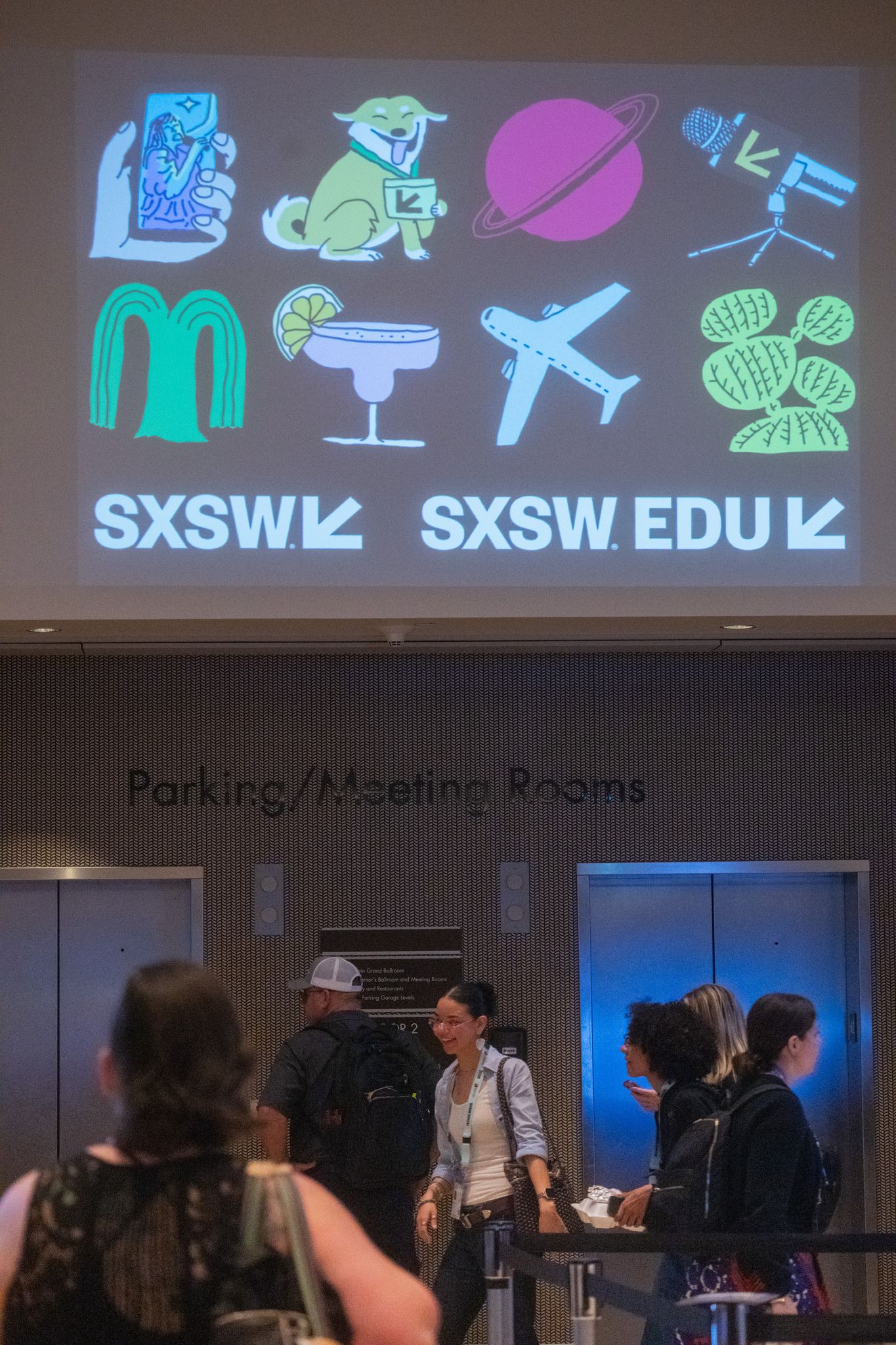
Alright, let’s talk about the latest corporate shindig masquerading as a music festival—SXSW, or as I like to call it, South by Sellout. It’s 2026, and the festival has been trimmed down to a mere seven days, because who has time for a full ten-day corporate infiltration when you’ve got gentrification to accelerate and punk houses to bulldoze? Organizers are out here calling it a "prove it" year, which is code for "please, please keep buying our overpriced badges so we can afford more avocado toast for the tech bros."
Remember when SXSW was about discovering bands in dive bars instead of rubbing elbows with ex-Disney stars at sponsored happy hours? Yeah, me neither—that was before Penske Media swooped in with their Hollywood Reporter cash to save the day. Because nothing says "authentic music scene" like a 50% stake owned by a corporation that probably thinks punk rock is a type of energy drink. Claudette Godfrey says they wouldn’t exist without that influx of money—no kidding! Without corporate blood money, SXSW would just be a bunch of sad musicians playing to empty rooms, which honestly sounds more punk than whatever this is now.
The festival’s new decentralized setup means daytime programming has moved to "clubhouses" at hotels, because why let actual venues host music when you can have Steven Spielberg give a speech in a Marriott ballroom? Meanwhile, headliners like the Lumineers are doing free concerts, but don’t get too excited—locals can only attend if they crash the right parties, which basically means you need to befriend a TikTok influencer or sell your soul to Rivian, this year’s headline sponsor. Because nothing screams "music festival" like an electric vehicle company and Sam’s Club teaming up to bring you the future of capitalism.
But hey, at least the film portion is thriving! Jordan Peele premieres projects, and Netflix debuts shows by Lizzo—because what’s more indie than a multimillion-dollar streaming service? Godfrey brags that half the films are by first-time directors, which is great until you realize they’re probably drowning in debt just to afford a badge. And let’s not forget the 2024 boycott over weapons manufacturers sponsoring the event—because nothing says "artistic expression" like Raytheon handing out free samples between sets. They’ve since revised the sponsorship model to exclude weapons makers, but I’m sure Eli Lilly’s pharmaceuticals will soothe any lingering moral dilemmas.
For musicians, SXSW offers "five years’ worth of learning" in five days, according to Brian Hobbs. Translation: play for free, maybe get a sync license for a video game, and hope you don’t get deported. International artists face visa hassles and political unrest, but hey, at least Zamaera from Malaysia is funding her own stage—because nothing says "global music community" like artists having to pay their own way while corporations rake in the profits.
And let’s not ignore the local impact: if SXSW craters, promoter Graham Williams says March would be "painful" for bars and service workers. Because who needs a vibrant music scene when you’ve got bottom lines to worry about? The whole thing feels like a bloated brand carnival where Snoop Dogg once performed in a giant Doritos vending machine—because why support actual music when you can serve free tacos next to a homeless shelter?
So yes, SXSW is back, but it’s less about discovery and more about proving that corporate sponsors still care. Grab your discounted badge, folks—the punk’s long dead, but the merch is still for sale.