

opinion
Scam Calls Are So Pre-Elon: Why Law Enforcement Needs a Tech Bro Intervention
In a world where scammers are more innovative than most startups, authorities warn about old-school cons—but Chad Evans thinks it's time to disrupt the disruptors.

By Chad Evans
Published March 13, 2026 at 10:00am
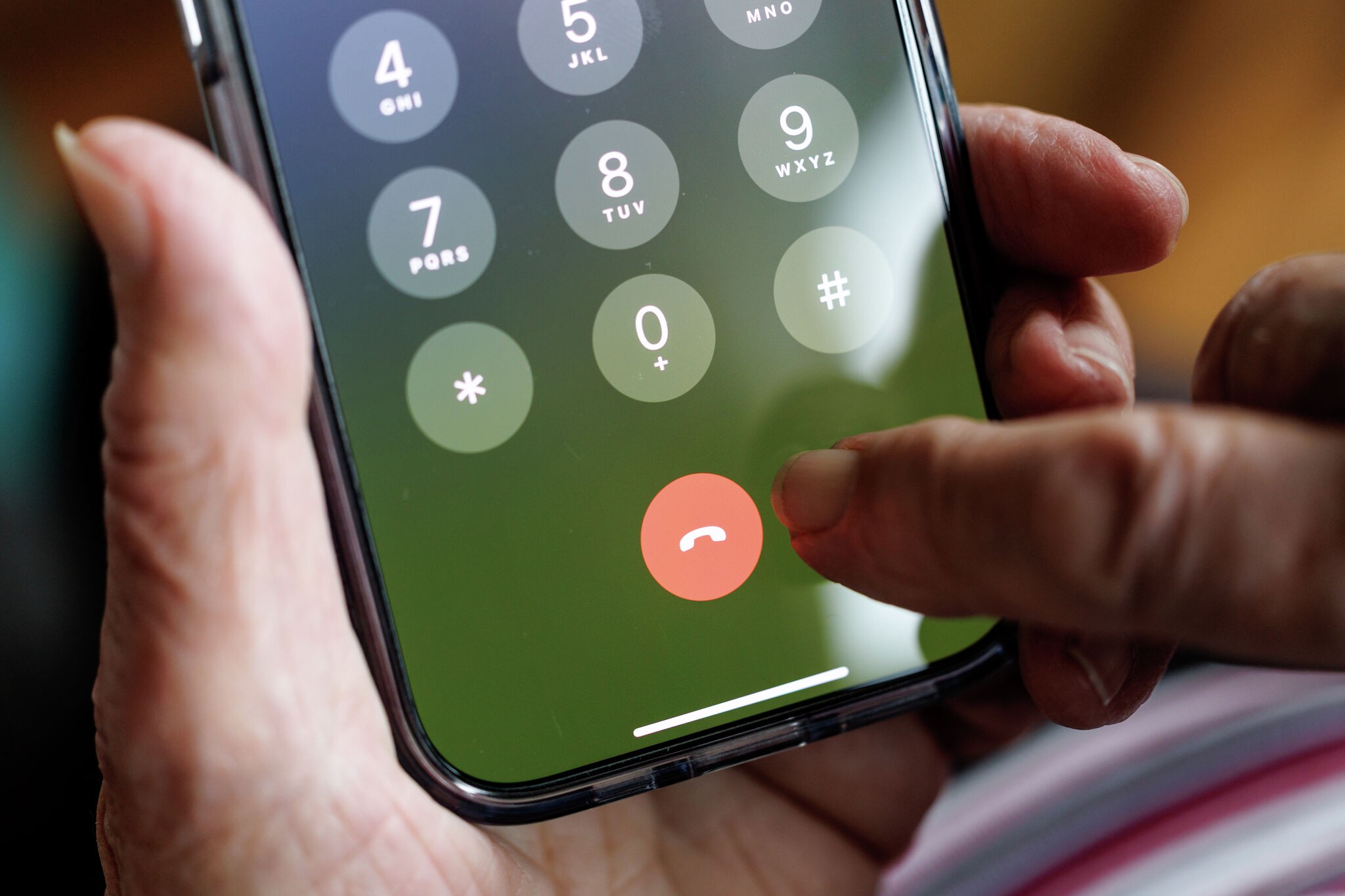
So, the Travis County Sheriff’s Office is out here warning people about scam calls—like, seriously? In 2025, we’re still getting calls from "deputies" demanding payment for missed jury duty via gift cards? Bro, if you’re falling for this, you’re not just a victim; you’re failing the vibe check of modern life. I mean, come on—who answers unknown numbers anymore? That’s like using dial-up internet in the age of quantum computing. These scammers are out here playing 4D chess while y’all are stuck in checkers mode.
Let’s break it down: They’re spoofing numbers to look legit, threatening arrest if you don’t cough up some Bitcoin or read off your iTunes gift card codes. First off, if law enforcement really wanted your crypto, they’d just hack your wallet—they don’t need to call you. And gift cards? That’s so 2019. Real disruptors use decentralized finance, not prepaid plastic. These scammers are basically the Uber of fraud: fast, aggressive, and totally unregulated. But instead of disrupting traffic, they’re disrupting your peace of mind.
And the grandparent scam? Dude, if your grandkid gets arrested, they’d probably post bail with Dogecoin from their phone—not call you crying for help. This is why we need more AI-driven call screening, not more warnings from boomer-era institutions. Apple’s "Silence Unknown Callers" feature is a game-changer, but let’s be real: it should default to on for everyone over 60. No offense, but if you’re still using a cordless phone in 2025 (yes, the article mentions one), you’re basically holding a scammer’s dream device.
Carriers like AT&T and Verizon offer free robocall blocking—which is cool, I guess, but they also had data breaches affecting millions. So, while they’re blocking scams, they’re leaking your data. Talk about a trade-off. And the National Do Not Call Registry? That’s like putting up a "No Trespassing" sign in the metaverse—scammers just laugh and keep dialing. It’s time to embrace blockchain-based caller ID or something truly disruptive.
Bottom line: Hang up, don’t engage, and for God’s sake, stop sending money to strangers over the phone. If you’re that worried, just invest in a burner phone and use it for all unknown calls. Or better yet, delete your number and communicate exclusively through encrypted DMs. The future is now, people—let’s act like it.